
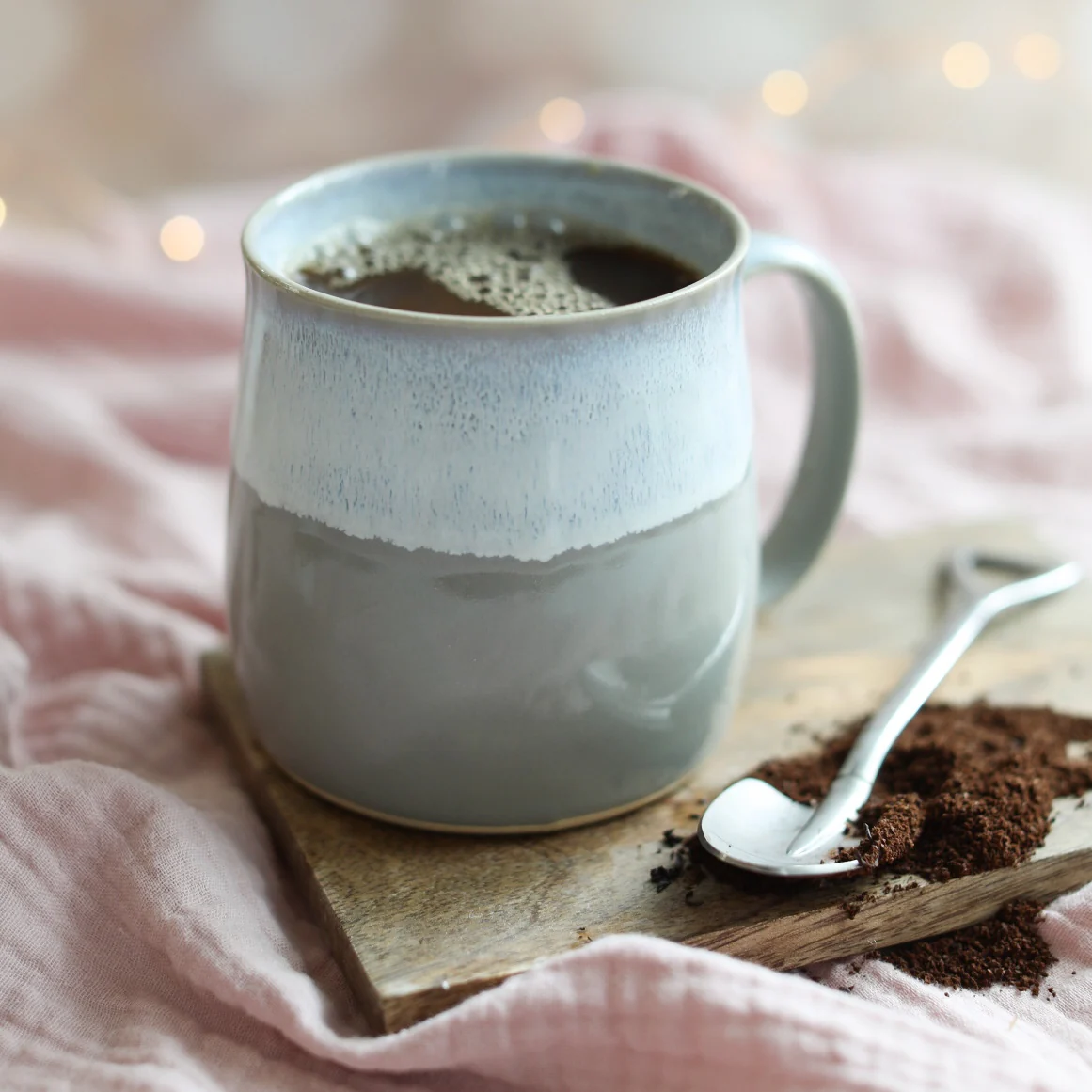
There is a moment, just after grinding coffee, when the air changes.
It fills with aroma — warm, sweet, complex. Notes of chocolate, citrus, nuts or spice rise instantly from the freshly cracked beans. It’s rich, inviting and alive. Brew that same coffee minutes later and you’ll taste depth, vibrancy and balance.
Use pre-ground coffee that has been sitting open for weeks, and much of that magic simply isn’t there.
Freshly ground coffee tastes better for one simple reason: flavour lives inside the bean — and once it’s exposed to air, it begins to disappear.
Let’s explore why.
Coffee Is Full of Volatile Compounds
Roasted coffee beans contain hundreds of aromatic compounds. These are responsible for everything you taste — from bright fruit acidity to dark chocolate richness.
When coffee is whole, those compounds are protected inside the bean. The surface area is small, and oxygen has limited contact.
The moment you grind coffee, you dramatically increase the surface area. Oxygen rushes in. Aromas are released. Flavour compounds begin to break down.
That incredible smell you notice when grinding? That’s flavour escaping.
Freshly ground coffee captures those compounds at their peak. Pre-ground coffee has already lost a significant portion of them before it even reaches your cup.
Oxidation Happens Quickly
Coffee stales faster than most people realise.
Once ground, coffee begins oxidising within minutes. Over hours and days, the flavour becomes flat, muted and dull. Bright acidity fades. Sweetness softens. Complexity disappears.
Instead of layered notes — chocolate, citrus, caramel, berries — you’re left with a more generic, sometimes bitter profile.
Grinding immediately before brewing preserves clarity and character. It allows the true personality of the bean to shine through.
Fresh Grinding Gives You Control
Another reason freshly ground coffee tastes better is control.
Different brewing methods require different grind sizes. A cafetière needs a coarse grind. An AeroPress performs beautifully with medium-fine. A V60 thrives on precision.
Pre-ground coffee is usually designed for one style only, often too fine or too coarse for your chosen method.
When the grind size isn’t correct:
-
Extraction becomes uneven
-
Flavour becomes imbalanced
-
Coffee can taste sour or overly bitter
Grinding at home allows you to tailor the coffee to your brewer. That precision makes a remarkable difference in the cup.
The Difference in Brewing Methods
Freshly ground coffee truly shines in manual brewing methods.
Cafetière (French Press)
A coarse grind allows for full immersion. The natural oils remain in the cup, creating body and richness. Fresh grounds mean more sweetness and depth.
AeroPress
The AeroPress rewards freshness. Because it brews quickly under gentle pressure, it highlights nuance. Fruity notes become brighter. Chocolate tones feel silkier.
Pour Over (V60)
Pour over brewing magnifies clarity. If the coffee is stale, you’ll notice immediately. Fresh grounds produce clean acidity and layered complexity.
In each case, freshness translates directly to flavour clarity.
Aroma Is Half the Experience
Taste and smell are deeply connected. Much of what we perceive as flavour actually comes from aroma.
Freshly ground coffee delivers a fuller sensory experience. From the moment hot water meets the grounds, the bloom releases gases and fragrance. It’s part of the ritual.
Pre-ground coffee rarely blooms in the same way. The experience feels flatter before you even take a sip.
Coffee isn’t just a drink. It’s a sensory ritual. Fresh grinding restores that ritual.
Why a Burr Grinder Matters
If you’re investing in freshly ground coffee, consistency is key.
Blade grinders chop beans unevenly. Some particles become powder while others remain chunky. This leads to uneven extraction.
Burr grinders, whether manual or electric, crush beans uniformly. The result is balanced extraction and improved flavour.
A simple hand grinder is often enough to transform home brewing. It’s a small step with a noticeable impact.
Freshness Elevates Quality Beans
When you choose carefully sourced coffee — whether a vibrant Ethiopian natural or a rich Colombian dark roast — you want to taste what makes it special.
Fresh grinding ensures:
-
Fruit notes remain lively
-
Chocolate notes stay rich
-
Acidity stays clean
-
Sweetness remains present
It honours the work of the farmer, the roaster and the blend.
It’s Simpler Than You Think
Many people assume grinding fresh coffee is complicated. It isn’t.
A simple manual grinder takes less than a minute. Pair it with a cafetière or AeroPress and you have a brewing ritual that feels satisfying without being fussy.
And the reward? A cup that tastes noticeably brighter, smoother and more expressive.
The Real Difference Is in the Cup
The easiest way to understand the difference is to try it.
Brew the same coffee two ways:
-
Pre-ground that has been open for a week
-
Whole beans ground moments before brewing
The contrast is immediate.
Freshly ground coffee feels alive. It has structure, aroma and personality. It lingers on the palate. It invites another sip.
Pre-ground coffee often tastes quieter. More muted. Less defined.
A Small Upgrade, A Big Result
In a world full of complicated brewing advice, grinding fresh is one of the simplest upgrades you can make.
You don’t need expensive machines. You don’t need professional training. You simply need whole beans and a grinder.
From there, every cup improves.
Freshly ground coffee tastes better because it preserves what makes coffee special — aroma, complexity, sweetness and balance.
It brings you closer to the bean, closer to the craft, and closer to the moment.
And sometimes, that small ritual of grinding is exactly what transforms an ordinary cup into something memorable.
Recent Comments