
Freshness is one of the most important factors in determining how your coffee tastes. Even the highest quality beans can produce a flat or disappointing cup if they are not used at the right time. Understanding how long coffee stays fresh — and how to store it properly — can make a significant difference to your daily brew.
Coffee freshness isn’t just about the date on the packaging. It’s about how the beans are handled from roasting through to brewing.
Why Freshness Matters
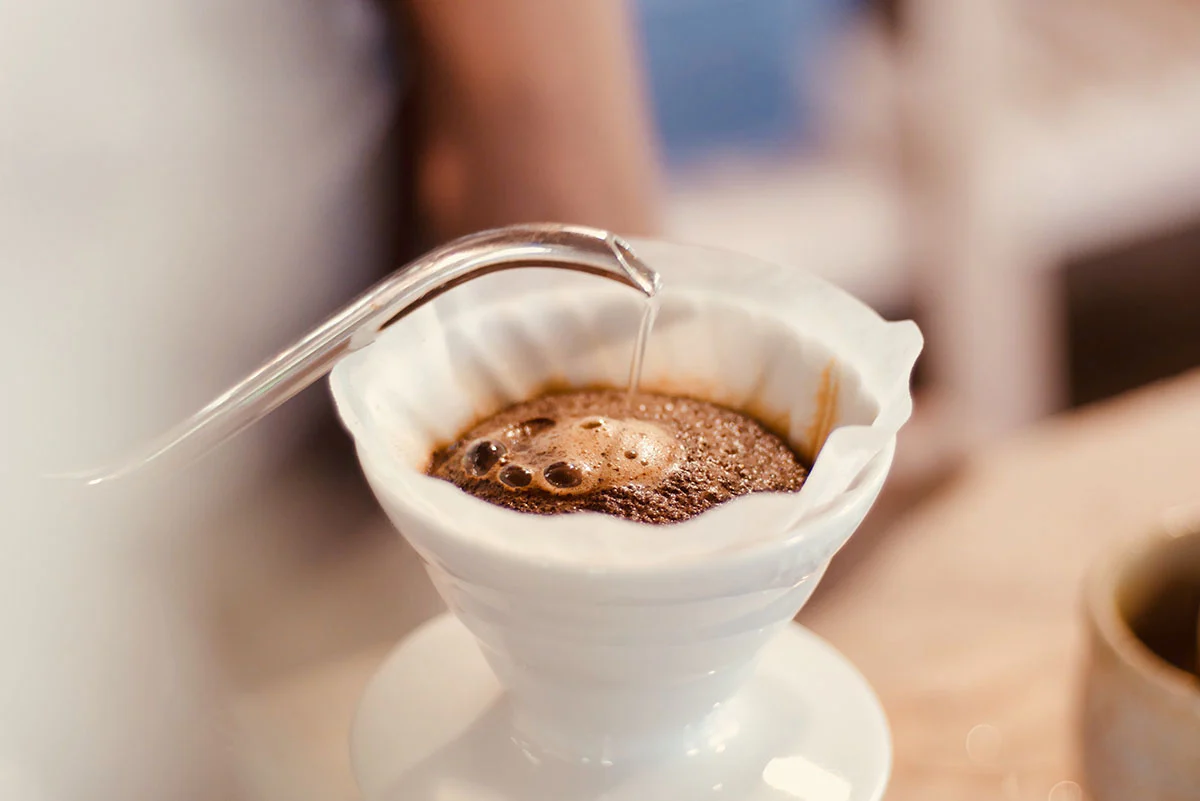
When coffee is roasted, it begins a natural process of releasing gases and aromatic compounds. This process, known as degassing, is essential for flavour development but also marks the beginning of gradual flavour loss.
Over time, exposure to air, light, heat and moisture causes coffee to lose its vibrant aroma and complexity. Fresh coffee tends to taste more balanced, expressive and enjoyable, while stale coffee often tastes dull or overly bitter.
In short, freshness directly affects flavour clarity, sweetness and overall quality.
How Long Do Whole Coffee Beans Stay Fresh?
Whole coffee beans stay fresh longer than pre-ground coffee because their surface area remains largely intact.
As a general guideline:
-
Coffee is at its peak between 7 and 28 days after roasting
-
It can still be enjoyable for up to 6–8 weeks, depending on storage
-
After this, flavours typically begin to fade noticeably
Some coffees may taste best slightly earlier or later depending on roast level and brewing method. Espresso, for example, often benefits from a short resting period after roasting, while filter coffee can sometimes be enjoyed sooner.
How Long Does Ground Coffee Stay Fresh?
Ground coffee loses freshness much faster than whole beans. Once coffee is ground, more of its surface is exposed to oxygen, accelerating flavour loss.
Typically:
-
Ground coffee is best used within 1–2 weeks
-
After this, it may taste noticeably less vibrant
For the best results, grinding your coffee just before brewing helps preserve its aroma and flavour.
Signs Your Coffee Is No Longer Fresh
Even without checking dates, there are a few simple indicators that coffee may be past its best.
These include:
-
A lack of strong aroma when opening the bag
-
Flat or muted flavour in the cup
-
Increased bitterness without depth
-
Little or no crema when making espresso
While stale coffee is still safe to drink, it rarely delivers the enjoyable experience most people expect.
How to Keep Coffee Fresher for Longer
Proper storage can significantly extend coffee freshness.
To maintain flavour:
-
Store coffee in an airtight container
-
Keep it in a cool, dark place
-
Avoid exposure to moisture and heat
-
Buy smaller quantities more frequently
Freezing coffee is sometimes suggested, but this can introduce moisture if not done carefully. For most home coffee drinkers, simple airtight storage at room temperature is sufficient.
Freshness Is Key to Better Coffee
Ultimately, brewing better coffee at home often begins with using fresher beans. While brewing technique, grind size and equipment all matter, freshness is one of the simplest ways to improve the quality of your cup.
By understanding how long coffee stays fresh and storing it properly, you can enjoy more consistent flavour, richer aromas and a more satisfying daily ritual.
Fresh coffee doesn’t just taste better — it transforms an everyday habit into a genuinely enjoyable experience.