Monthly Archives

March 2026

Farrer's House

How to Build a Better Tea Ritual

By Blog Posts No Comments

Tea has always been more than simply a drink. It’s a pause in the day, a moment of comfort, and a ritual that can bring both calm and clarity. In a fast-moving world, creating a better tea ritual is one of the simplest ways to bring intention into your daily routine.

Whether it’s the first cup of the morning, an afternoon reset, or an evening wind-down, a thoughtful tea ritual can transform an ordinary habit into something far more meaningful.


Start with the Right Tea for the Moment

The foundation of any tea ritual is choosing a tea that suits the time of day and the mood you want to create.

For mornings, many people prefer black teas for their fuller flavour and gentle caffeine lift. Green tea works beautifully for mid-morning or afternoon moments when you want something lighter and more refreshing. Herbal teas are ideal for evenings when relaxation is the priority.

Matching the tea to the occasion helps create rhythm in your day and makes the ritual feel purposeful.


Create a Dedicated Tea Space

Part of what makes a ritual feel special is the environment around it.

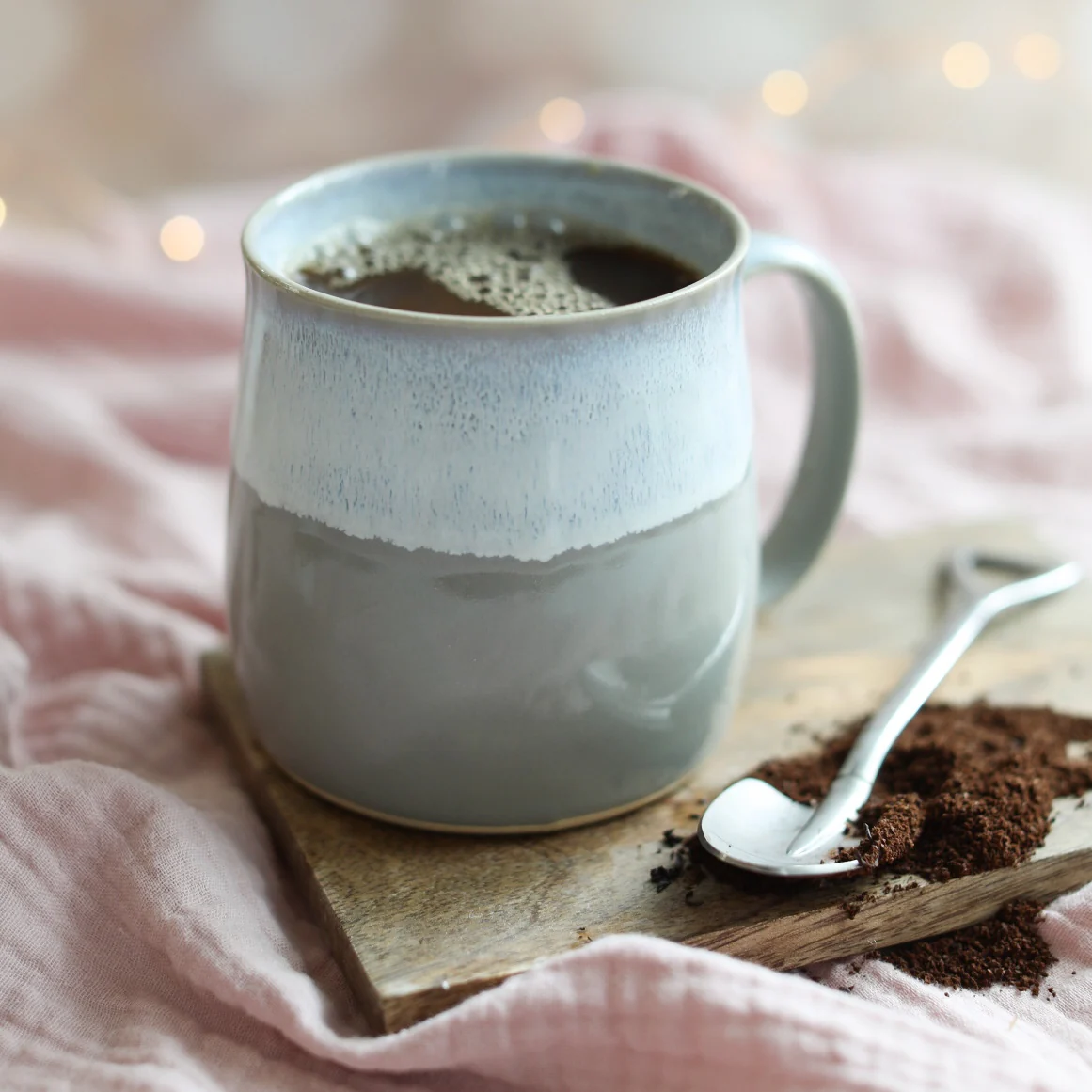
This doesn’t need to be elaborate. A favourite mug, a teapot you enjoy using, or a small tray with your preferred tea accessories can be enough to make the process feel intentional.

A simple tea corner in the kitchen or a favourite chair by a window can turn tea from something functional into a genuine moment of calm.

The key is consistency. When you return to the same place each day, the act itself begins to feel grounding.


Focus on the Brewing Process

Ritual is often found in the details.

Boiling the water, measuring the tea, waiting for it to steep and watching the colour develop all contribute to the experience. Rather than rushing through the process, slowing down and paying attention to each step can make the tea itself feel more rewarding.

Use the correct water temperature and steeping time for the tea you’ve chosen. Green tea generally benefits from cooler water, while black tea is usually best with boiling water.

Even these small details help turn preparation into part of the pleasure.


Pair Tea with a Small Moment of Stillness

A better tea ritual is not just about the drink — it’s about what happens around it.

Try using your tea moment as a break from screens, emails or background noise. Even five quiet minutes can make a difference.

This could be:

  • reading a few pages of a book
  • sitting by the window
  • journalling
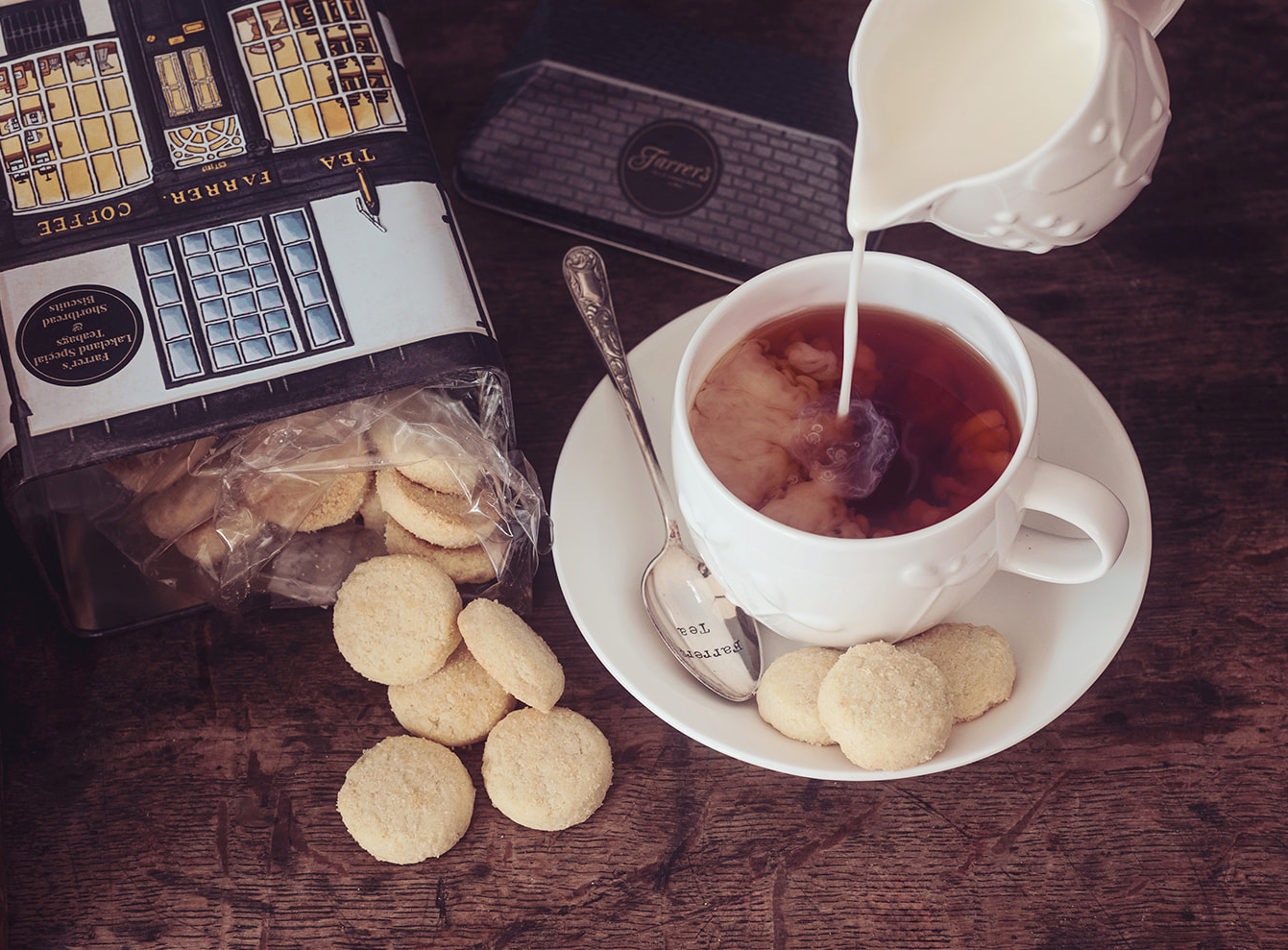
  • enjoying a biscuit alongside your tea
  • simply taking a few slow breaths

Tea becomes the anchor for a moment of presence.


Introduce Small Seasonal Changes

One of the joys of tea rituals is how easily they evolve with the seasons.

In spring, lighter green teas and floral blends feel fresh and uplifting. Autumn and winter often call for richer black teas or spiced infusions. Seasonal biscuits or small accompaniments can make the ritual feel even more special.

These small changes keep the habit enjoyable and help it stay connected to the time of year.


Make It Something to Look Forward To

The best rituals are the ones that create anticipation.

A mid-afternoon tea break can become a marker in the day — a moment to pause before moving into the evening. A morning tea can signal the beginning of focus and intention.

By attaching tea to a positive daily moment, it becomes more than routine. It becomes something restorative.


A Better Ritual, One Cup at a Time

Building a better tea ritual doesn’t require expensive teaware or complicated steps. It’s about slowing down, choosing the right tea and giving yourself permission to enjoy the process.

In many ways, tea rituals are less about the tea itself and more about the space they create in your day — a chance to reset, reflect and enjoy a small moment of calm.

And often, that single cup can change the tone of the whole day.
How Long Does Coffee Stay Fresh?

By Blog Posts No Comments


Why freshly ground coffee tastes better

How to Brew Better Coffee at Home

By Blog Posts No Comments

Great coffee doesn’t have to be limited to cafés. With the right approach, it’s entirely possible to brew a rich, flavourful cup at home. In fact, a few simple adjustments can make a significant difference to the taste of your daily coffee.

From choosing fresh beans to refining your brewing method, here are some key ways to improve your coffee at home.


Start with Fresh Coffee

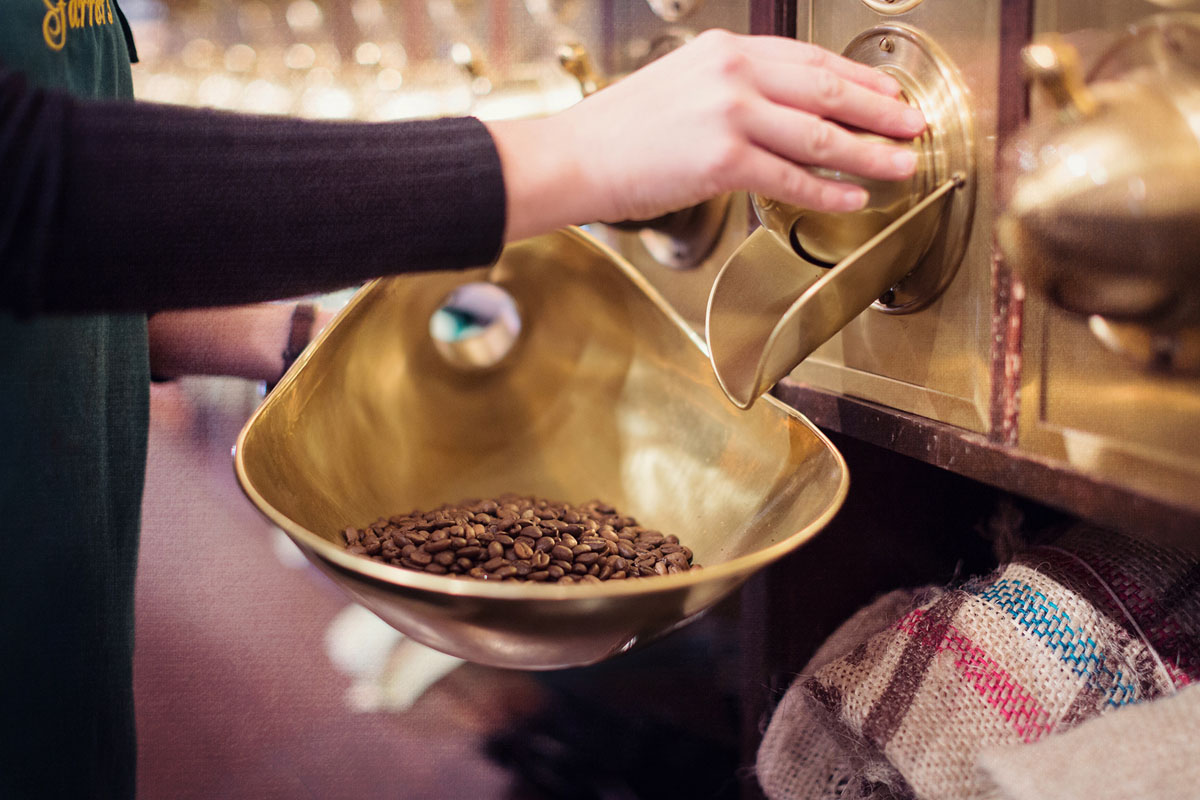
The quality of your coffee begins with the beans themselves. Coffee is at its best when it’s fresh, ideally within a few weeks of roasting. Over time, coffee loses the aromatic compounds that give it flavour and complexity.

If possible, choose freshly roasted coffee and buy it in smaller quantities so it stays fresh. Whole beans are usually the best option because they retain flavour longer than pre-ground coffee.

Fresh coffee alone can dramatically improve the taste of your brew.


Grind Your Coffee Just Before Brewing

Grinding coffee releases the oils and aromas that create flavour in the cup. Once coffee is ground, those flavours begin to fade quite quickly.

Using a grinder at home allows you to grind your beans just before brewing, which helps preserve their freshness and aroma. It also gives you control over grind size, which is important because different brewing methods require different textures.

For example:

  • Cafetières work best with a coarse grind

  • Filter or pour-over brewing usually requires a medium grind

  • Espresso machines require a fine grind

Matching the grind size to your brewing method helps ensure the coffee extracts properly, producing a balanced flavour.


Use the Right Coffee-to-Water Ratio

One of the most common reasons coffee tastes weak or overly strong is an incorrect coffee-to-water ratio.

A good starting point is to use around 60 grams of coffee per litre of water, which works out to roughly one to two tablespoons of coffee per cup depending on the size of the brew.

Using consistent measurements allows you to fine-tune your brewing over time. If your coffee tastes too strong, use slightly less coffee. If it tastes too weak, add a little more.

Small adjustments can have a big impact.


Pay Attention to Water Quality

Coffee is made up of around 98% water, so the quality of your water plays an important role in flavour.

If tap water has a strong taste or odour, it can affect the final cup. Using filtered water can often improve the clarity and balance of the coffee.

Water temperature is also important. For most brewing methods, water should be just below boiling — around 90–96°C. Water that is too hot can extract bitter flavours, while water that is too cool may result in weak or under-extracted coffee.

Allow freshly boiled water to rest for around 30 seconds before brewing to reach the ideal temperature.


Choose the Right Brewing Method

Different brewing methods highlight different characteristics in coffee.

A cafetière (French press) produces a rich, full-bodied cup because the coffee grounds remain in contact with the water for longer.

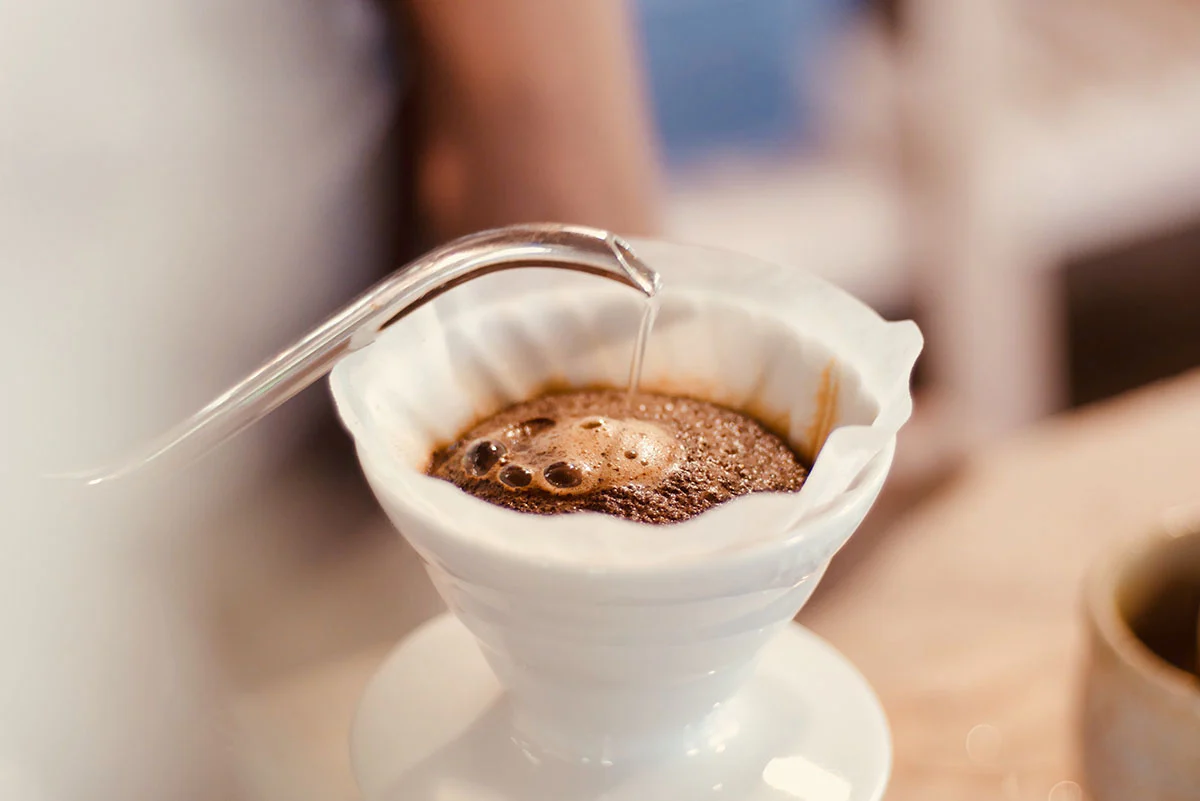
A pour-over brewer often creates a cleaner, lighter cup with more clarity of flavour.

Espresso machines extract coffee quickly under pressure, producing a concentrated and intense flavour.

There is no single “best” method — the right choice depends on your taste preferences and the style of coffee you enjoy.


Keep Your Equipment Clean

Coffee oils and residue can build up over time in grinders, cafetières and coffee machines. If not cleaned regularly, these residues can create bitter or stale flavours.

Rinsing your equipment after each use and occasionally washing it thoroughly will help ensure your coffee tastes fresh every time you brew.


Enjoy the Process

Brewing better coffee at home doesn’t require expensive equipment or complicated techniques. By starting with fresh beans, grinding your coffee properly and paying attention to water and ratios, you can significantly improve the flavour of your daily cup.

Coffee brewing is both simple and personal. With a little experimentation, you’ll discover the methods and flavours that suit your taste best — turning a routine drink into a small but rewarding daily ritual.

Green Tea vs Black Tea: What’s the Difference?

By Blog Posts, Uncategorised No Comments

Tea is one of the most widely enjoyed drinks in the world, yet many people are surprised to learn that both green tea and black tea come from the same plant. The difference between them lies not in the plant itself, but in how the leaves are processed after harvesting.

Understanding the distinctions between green and black tea can help you choose the right tea for your taste, mood and daily routine.


The Same Plant, Different Processing

Both green tea and black tea are produced from the leaves of Camellia sinensis. After the leaves are picked, they undergo different levels of oxidation — a natural chemical reaction that occurs when the leaves are exposed to oxygen.

Green tea is minimally oxidised. Shortly after harvesting, the leaves are heated or steamed to stop oxidation from occurring. This preserves the natural green colour of the leaves and maintains their fresh, delicate character.

Black tea, by contrast, is fully oxidised. The leaves are rolled and exposed to air, allowing oxidation to develop deeper colour and stronger flavours. This process transforms the leaves into the dark brown or black appearance typically associated with black tea.

The level of oxidation is the key factor that creates the distinctive flavour and appearance of each type of tea.


Flavour Differences

One of the most noticeable differences between green and black tea is flavour.

Green tea is often described as:

  • Light and refreshing

  • Slightly grassy or vegetal

  • Smooth and delicate

The flavour profile tends to be more subtle, with gentle floral or herbal notes depending on where the tea is grown and how it is prepared.

Black tea, on the other hand, is typically:

  • Richer and fuller-bodied

  • Malty or robust

  • Slightly sweet or brisk

The oxidation process creates deeper, stronger flavours, which is why black tea is often paired with milk in many traditional British tea preparations.


Colour and Appearance

The difference in oxidation also affects the appearance of the tea in the cup.

Green tea generally produces a pale yellow or light green infusion. The colour is clear and bright, reflecting the minimal processing of the leaves.

Black tea brews to a darker amber or reddish-brown colour. The deeper tone reflects the longer oxidation process and the stronger flavour compounds developed during production.


Caffeine Content

Both green and black tea contain caffeine, although the levels vary.

Black tea typically contains slightly more caffeine than green tea. A standard cup of black tea usually provides around 40–50 milligrams of caffeine, while green tea tends to contain around 20–40 milligrams.

However, caffeine levels can vary depending on the tea variety, how much leaf is used and how long the tea is brewed.

Many people choose green tea when they want a gentler caffeine boost, while black tea is often preferred when a stronger, more stimulating cup is desired.


Brewing Methods

Green tea and black tea also require slightly different brewing techniques to bring out their best flavours.

Green tea is generally brewed with cooler water, typically around 70–80°C. Using boiling water can make the tea taste bitter, as the delicate leaves release harsher compounds at higher temperatures.

Black tea is more robust and is usually brewed with boiling water (around 100°C). This higher temperature helps extract the full depth of flavour from the oxidised leaves.

Brewing time also varies slightly, with most teas steeping for between two and four minutes depending on personal preference.


Which Tea Should You Choose?

The choice between green tea and black tea ultimately comes down to taste and occasion.

Green tea is often favoured for its lighter, fresher character and gentle caffeine lift. It can be a great choice for mid-morning or afternoon when you want something refreshing but not too strong.

Black tea, with its fuller body and stronger flavour, is ideal for mornings or when paired with milk. It remains a staple of traditional tea drinking and continues to be enjoyed around the world.


A World of Tea to Explore

Although green and black tea share the same origins, their processing methods create two very different drinking experiences. From the bright freshness of green tea to the rich depth of black tea, both offer unique flavours that have been appreciated for centuries.

Exploring the differences between them is part of the pleasure of tea itself — discovering which styles suit your taste and how each cup can bring something slightly different to your day.

How Coffee Consumption Has Changed Over 200 Years

By Blog Posts No Comments

Two hundred years ago, coffee was already woven into daily life. But the way people drank it — and what they expected from it — looked very different to today.

From hand-roasted beans in local coffee houses to precision-brewed single origins and speciality espresso, coffee consumption has evolved alongside technology, trade and culture. Here’s how the journey has unfolded.


Early 1800s: Coffee as Community

In the early 19th century, coffee houses were hubs of conversation, politics and commerce. Across Britain and Europe, they were often described as “penny universities” — places where news and ideas were exchanged over a cup.

Coffee at this time was:

  • Dark roasted

  • Brewed strong and often bitter

  • Served without the refinement we expect today

Beans were typically roasted in small batches, sometimes in metal drums over open flames. Consistency varied. The focus wasn’t on flavour notes or origin stories — it was on stimulation and sociability.

Coffee was functional. It kept people alert in an era increasingly shaped by industrialisation.


Late 1800s to Early 1900s: Industrialisation and Global Trade

As global trade expanded, coffee became more widely available. Improvements in shipping, roasting machinery and packaging meant it could reach a broader population.

Consumption began shifting from coffee houses into homes. Pre-roasted beans and ground coffee became easier to buy. Branding emerged. Coffee was no longer purely local; it was part of an expanding international commodity market.

However, quality often took a back seat to scale. Blending became common, sometimes masking lower-grade beans with darker roasts.

Coffee was becoming democratised — but less differentiated.


Mid-20th Century: Convenience Takes Over

The biggest shift in consumption habits came after the Second World War.

Instant coffee surged in popularity. It was quick, affordable and required no equipment beyond a kettle. Marketing focused on convenience, modern living and efficiency.

Coffee consumption during this era was characterised by:

  • Simplicity

  • Speed

  • Mass production

The ritual of brewing was reduced. Origin and processing were rarely discussed. For many households, coffee became a cupboard staple rather than a crafted beverage.

In offices and factories, coffee was fuel. In homes, it was routine.


1990s–2000s: The Rise of Coffee Culture

The late 20th century marked a turning point.

Global café chains expanded rapidly, redefining coffee as an experience rather than just a drink. Espresso-based beverages — lattes, cappuccinos, flat whites — entered mainstream culture. Milk texture and presentation began to matter.

At the same time, independent roasters and cafés began to re-emphasise quality. Consumers became more curious about:

  • Bean origin

  • Roast level

  • Brewing methods

Coffee started to reclaim some of the craft that had been lost during the convenience-driven decades.

It wasn’t just about caffeine anymore. It was about taste and identity.


2010s–2020s: The Speciality Era

In the past 15 years, coffee consumption has become more informed and intentional than ever before.

Modern drinkers are interested in:

  • Single-origin coffees

  • Ethical sourcing

  • Roast transparency

  • Brewing precision

Home brewing equipment — from pour-over drippers to espresso machines — has become widely accessible. Social media has amplified education around flavour notes and brewing techniques.

Consumers now ask:

  • Where was this grown?

  • How was it processed?

  • Is it sustainably sourced?

Coffee has shifted from commodity back to craft — but this time with global connectivity and scientific precision behind it.


Health, Performance and Lifestyle

Another major change is how coffee fits into lifestyle and performance culture.

In the 1800s, coffee was a stimulant for labour and long working days. Today, it’s also:

  • A pre-gym ritual

  • A focus enhancer

  • A social media aesthetic

  • A lifestyle statement

Scientific research into caffeine’s effects has influenced consumption patterns. Cold brew, decaf improvements and plant-based milk options have diversified the market further.

Coffee now intersects with wellness, productivity and identity.


What Hasn’t Changed

Despite two centuries of change, some fundamentals remain.

Coffee is still:

  • A social connector

  • A daily ritual

  • A source of comfort and energy

What has evolved is expectation. Two hundred years ago, consistency and availability were luxuries. Today, consumers expect transparency, quality and choice.


The Bigger Picture

Over 200 years, coffee consumption has moved through three clear phases:

  1. Community and conversation

  2. Industrial convenience

  3. Craft and conscious consumption

Each phase reflects broader societal shifts — from industrialisation to globalisation to modern consumer awareness.

Coffee has always adapted to its time. And as sustainability, technology and taste preferences continue to evolve, so too will the way we drink it.

One thing is certain: while methods and expectations may change, the simple act of sharing a cup remains timeless.