
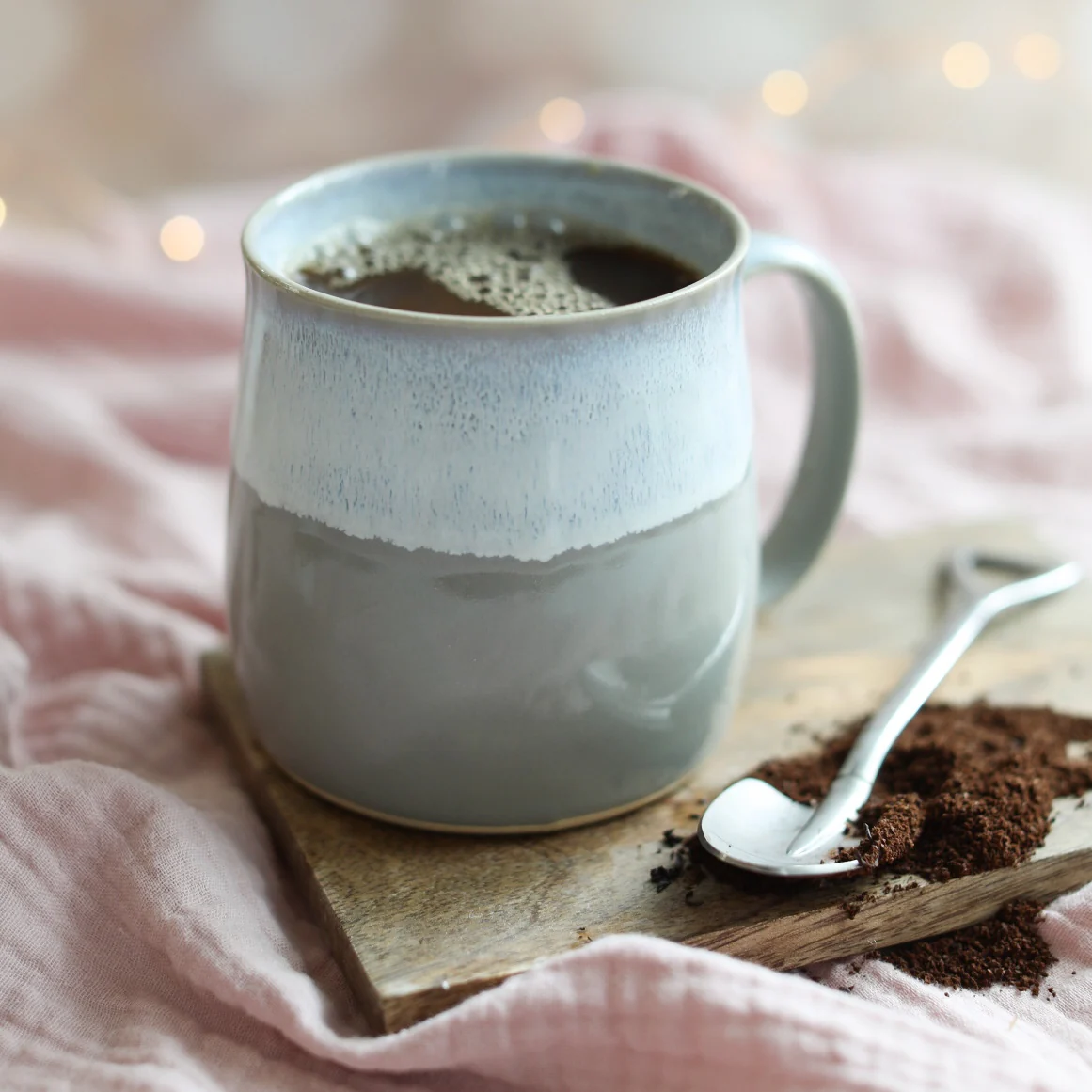
Great coffee doesn’t have to be limited to cafés. With the right approach, it’s entirely possible to brew a rich, flavourful cup at home. In fact, a few simple adjustments can make a significant difference to the taste of your daily coffee.
From choosing fresh beans to refining your brewing method, here are some key ways to improve your coffee at home.
Start with Fresh Coffee
The quality of your coffee begins with the beans themselves. Coffee is at its best when it’s fresh, ideally within a few weeks of roasting. Over time, coffee loses the aromatic compounds that give it flavour and complexity.
If possible, choose freshly roasted coffee and buy it in smaller quantities so it stays fresh. Whole beans are usually the best option because they retain flavour longer than pre-ground coffee.
Fresh coffee alone can dramatically improve the taste of your brew.
Grind Your Coffee Just Before Brewing
Grinding coffee releases the oils and aromas that create flavour in the cup. Once coffee is ground, those flavours begin to fade quite quickly.
Using a grinder at home allows you to grind your beans just before brewing, which helps preserve their freshness and aroma. It also gives you control over grind size, which is important because different brewing methods require different textures.
For example:
-
Cafetières work best with a coarse grind
-
Filter or pour-over brewing usually requires a medium grind
-
Espresso machines require a fine grind
Matching the grind size to your brewing method helps ensure the coffee extracts properly, producing a balanced flavour.
Use the Right Coffee-to-Water Ratio
One of the most common reasons coffee tastes weak or overly strong is an incorrect coffee-to-water ratio.
A good starting point is to use around 60 grams of coffee per litre of water, which works out to roughly one to two tablespoons of coffee per cup depending on the size of the brew.
Using consistent measurements allows you to fine-tune your brewing over time. If your coffee tastes too strong, use slightly less coffee. If it tastes too weak, add a little more.
Small adjustments can have a big impact.
Pay Attention to Water Quality
Coffee is made up of around 98% water, so the quality of your water plays an important role in flavour.
If tap water has a strong taste or odour, it can affect the final cup. Using filtered water can often improve the clarity and balance of the coffee.
Water temperature is also important. For most brewing methods, water should be just below boiling — around 90–96°C. Water that is too hot can extract bitter flavours, while water that is too cool may result in weak or under-extracted coffee.
Allow freshly boiled water to rest for around 30 seconds before brewing to reach the ideal temperature.
Choose the Right Brewing Method
Different brewing methods highlight different characteristics in coffee.
A cafetière (French press) produces a rich, full-bodied cup because the coffee grounds remain in contact with the water for longer.
A pour-over brewer often creates a cleaner, lighter cup with more clarity of flavour.
Espresso machines extract coffee quickly under pressure, producing a concentrated and intense flavour.
There is no single “best” method — the right choice depends on your taste preferences and the style of coffee you enjoy.
Keep Your Equipment Clean
Coffee oils and residue can build up over time in grinders, cafetières and coffee machines. If not cleaned regularly, these residues can create bitter or stale flavours.
Rinsing your equipment after each use and occasionally washing it thoroughly will help ensure your coffee tastes fresh every time you brew.
Enjoy the Process
Brewing better coffee at home doesn’t require expensive equipment or complicated techniques. By starting with fresh beans, grinding your coffee properly and paying attention to water and ratios, you can significantly improve the flavour of your daily cup.
Coffee brewing is both simple and personal. With a little experimentation, you’ll discover the methods and flavours that suit your taste best — turning a routine drink into a small but rewarding daily ritual.